
Sewage Treatment Plants, Designed for Each Building
We are a sewage treatment plant (STP) manufacturer and turn-key contractor working across South India. We size each plant to the building’s sewage load, fit it into the space available and design it to the Pollution Control Board’s norms, whatever kind of building it is.
Enlisted by the Local Self Government Department, Government of Kerala, as an STP service provider under the Suchitwa Mission (order of 2 June 2016).
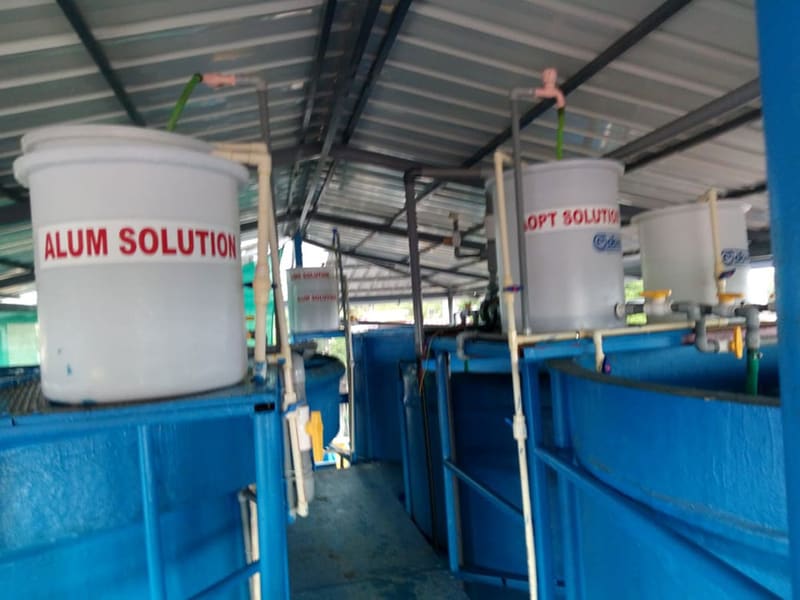
How a Sewage Treatment Plant Works
Domestic sewage has broadly the same characteristics from one building to the next, so every STP treats it by the same standard process, in five stages. Black water and grey water are treated separately first, then together. For the biological stage we mainly use the moving bed bio-film reactor (MBBR), which our guide explains with the other biological methods.
- Pre-Treatment. Sewage (black water) passes through a septic tank and an upflow anaerobic filter (UAF). Sullage (grey water) goes through screening and grit removal, then fat, oil and grease (FOG) removal.
- Primary Treatment. The grey water is dosed and settles in the primary settling tank (PST). Both streams then meet in the equalisation tank (EQT), which evens out the flow and the load.
- Secondary Treatment. In the MBBR aeration tank, bacteria break down the organic load. After dosing, the secondary clarifier tank (SCT) separates the biological solids.
- Tertiary Treatment. Chlorine is dosed into the filter feed tank cum disinfection contact tank (FFT cum DCT); a pressure sand filter (PSF) and an activated carbon filter (ACF) follow. The water can then go to a soak pit, where the discharge standards and permissions allow.
- Advanced Treatment, for Reuse. UV treatment, hydrogen peroxide dosing, an advanced oxidation process (AOP) tank and a final ACF treat the water for non-potable reuse such as gardening and toilet flushing, where it meets the reuse quality required.
What a Turn-Key STP Project Includes
- Technical consultancy. We work out the capacity to Bureau of Indian Standards (BIS) values and choose a location that meets the statutory distance criteria.
- Statutory consultancy. We handle the Pollution Control Board (PCB) licensing and the liaison with your State Pollution Control Board.
- Design and construction. Design, supply, erection and commissioning.
- Fine-tuning and training. We fine-tune the running plant and train your operators.
- Handover. You receive a Performance Certificate. The first year’s annual maintenance contract (AMC) and the trial-run consumables are included.
Sized to Your Load, Fitted to Your Space
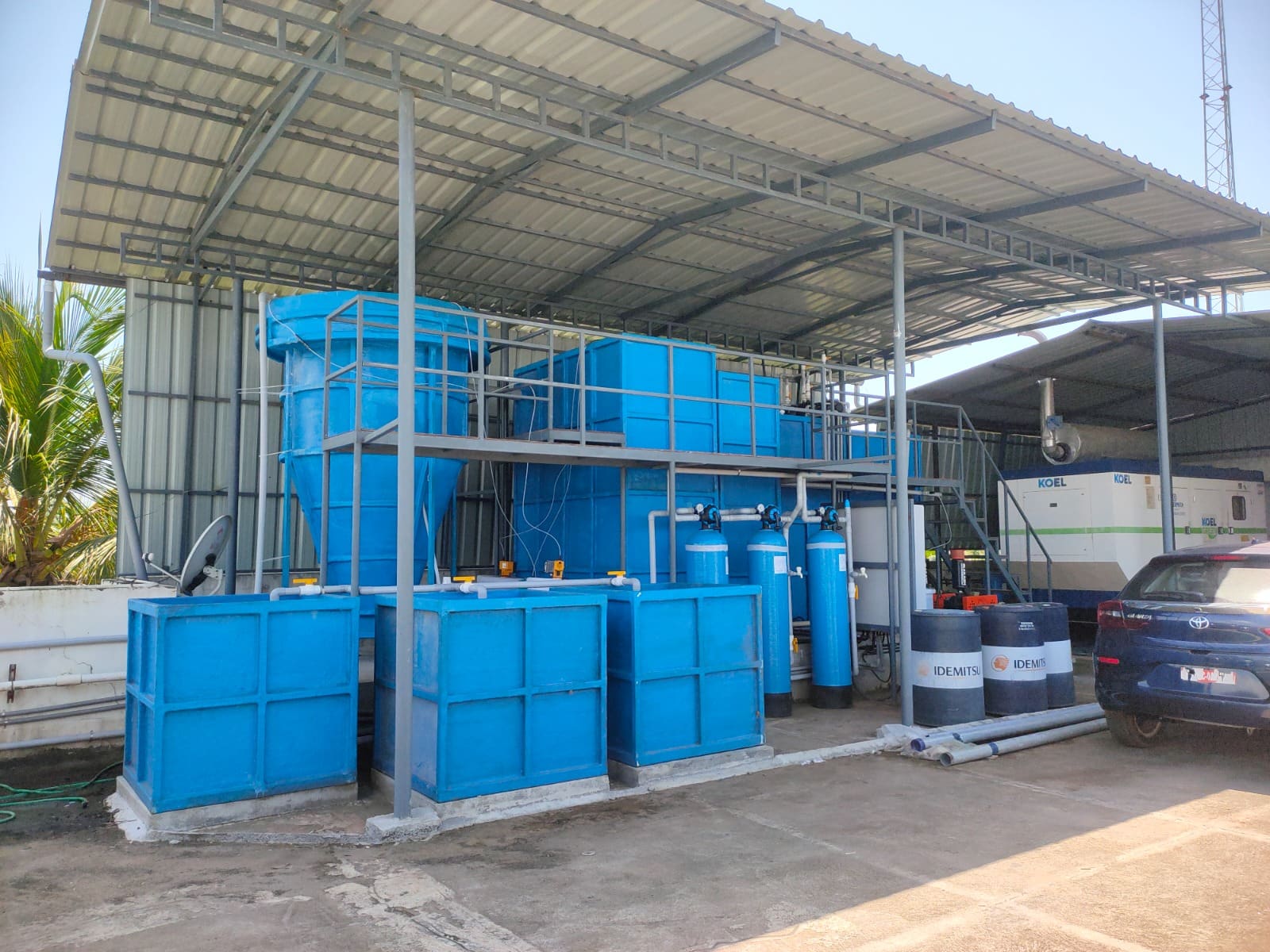
What changes from one STP to the next is the size and the layout. We size each plant for the building’s load and build it where the site allows: underground, in a basement, as open tanks above ground, or on the terrace where there is no room at ground level, as at Amana Toyota. A terrace plant can have an inspection walkway and light roofing. Control panels can include automation, and the plumbing and electrical lines run in covered trenches.
Examples of Our STP Work
We design STPs for any kind of building. Some of the clients we have worked for:
- Hospitality: STPs for Vythiri Resorts and Flora Vythiri Resort in Wayanad and the Alora Grand Business Hotel, Kozhikode. Vivanta at Bekal, Kasaragod (Taj Group), is also a client.
- Healthcare: Dr. Chandrakanth Netralaya, an NABL-accredited eye hospital in Calicut.
- Automobile: the terrace STP at Amana Toyota.
The same design work applies to flats and apartment buildings, housing colonies, offices, shopping malls, educational institutions, hostels and restaurants.
See our clients and STP photographs.
Existing STPs That Under-Perform
If an existing plant misses the norms, our feasibility study reports on its flow, load, treatment and statutory position, with recommendations we can carry out.
We take up STP work, new plants and annual maintenance alike, from our office in Calicut (Kozhikode), Kerala.
STPs at Our Project Sites
- (view larger)
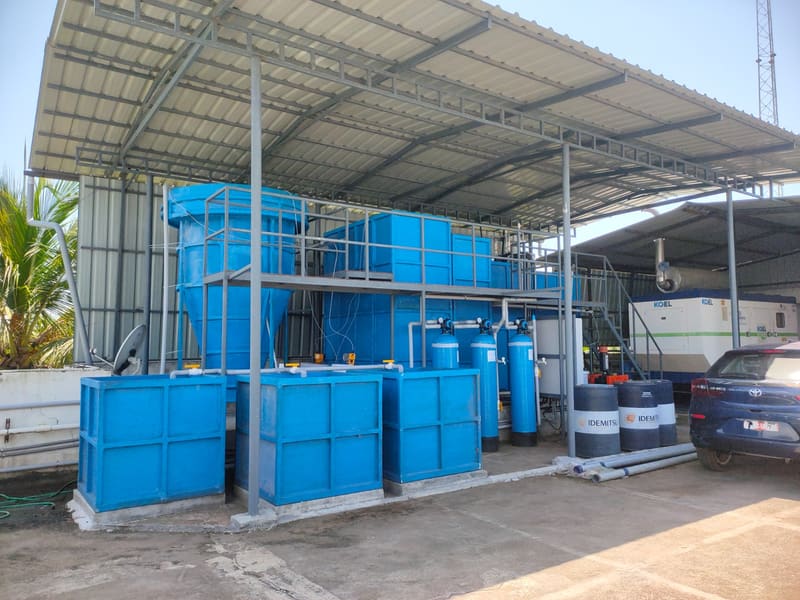
STP on terrace with inspection walkway and light roofing for protection from rain and sunlight - (view larger)
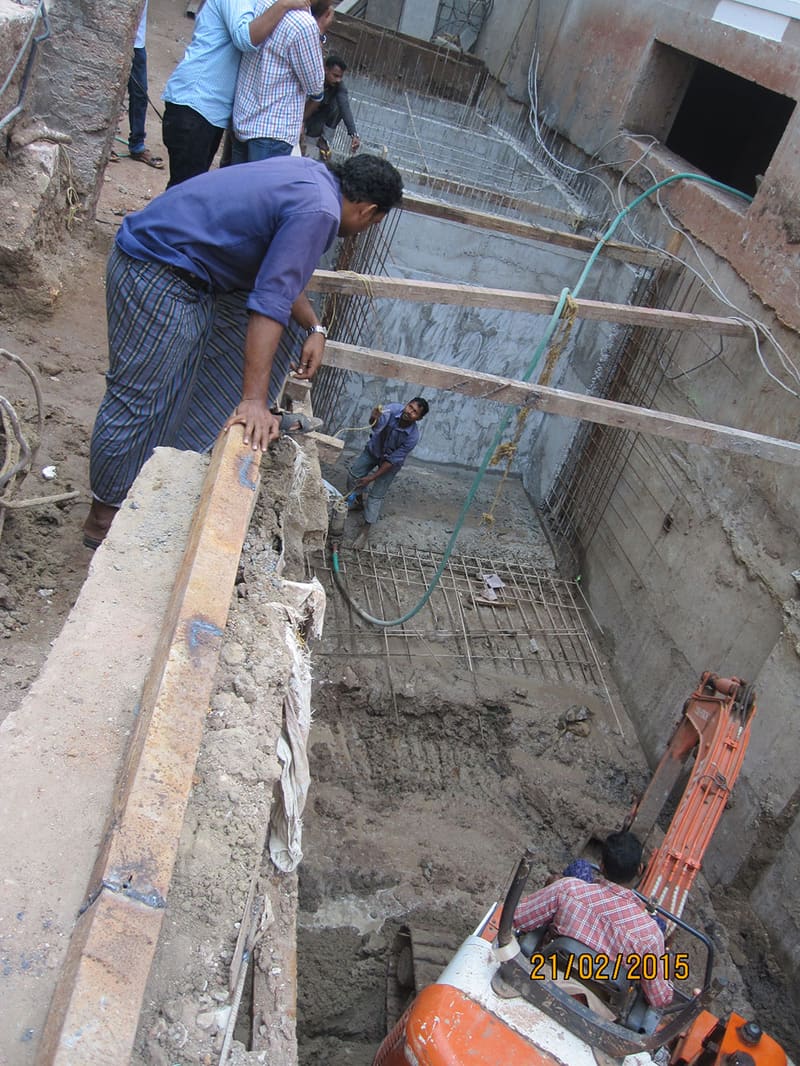
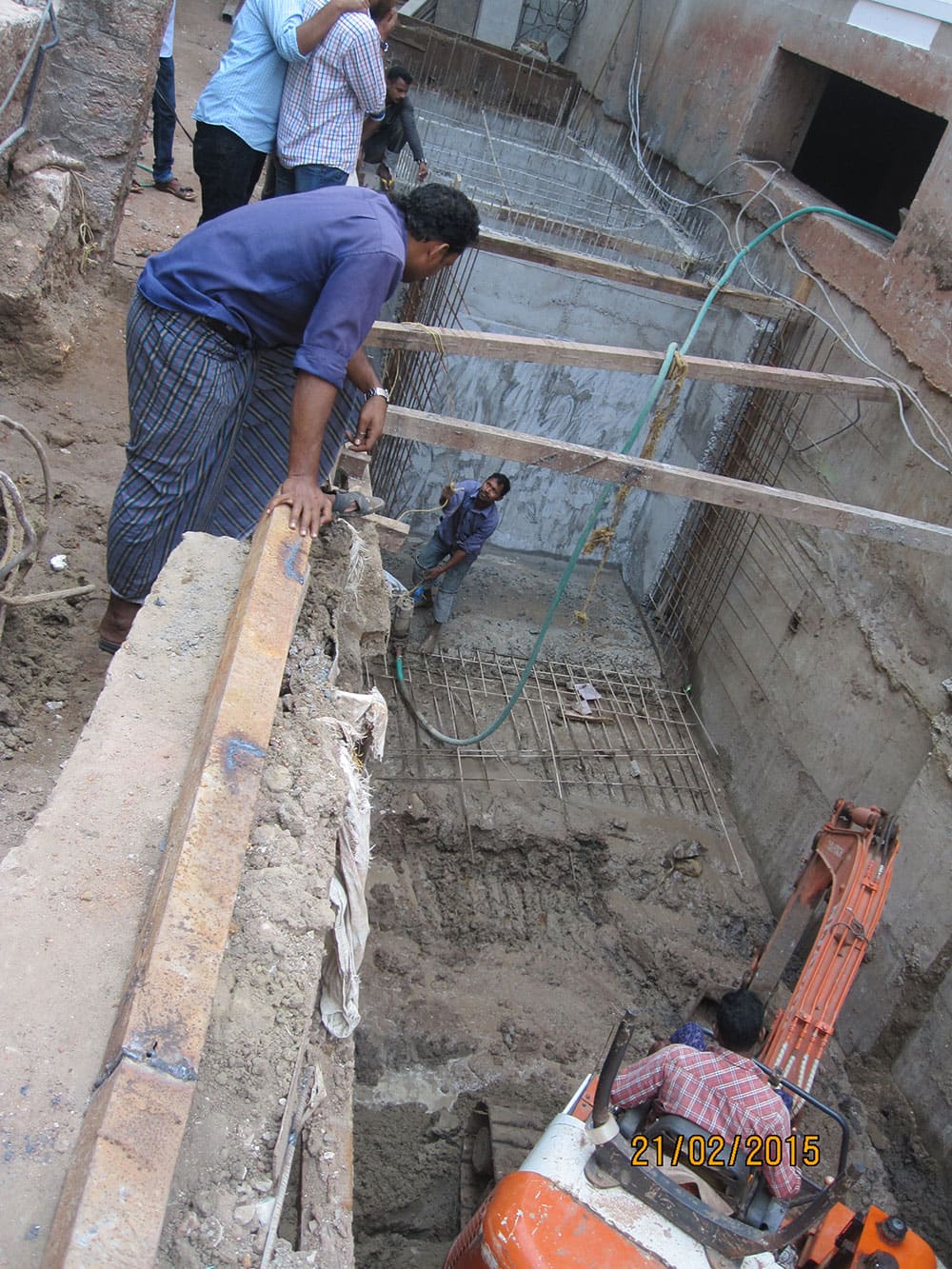
STP construction work: underground design - (view larger)
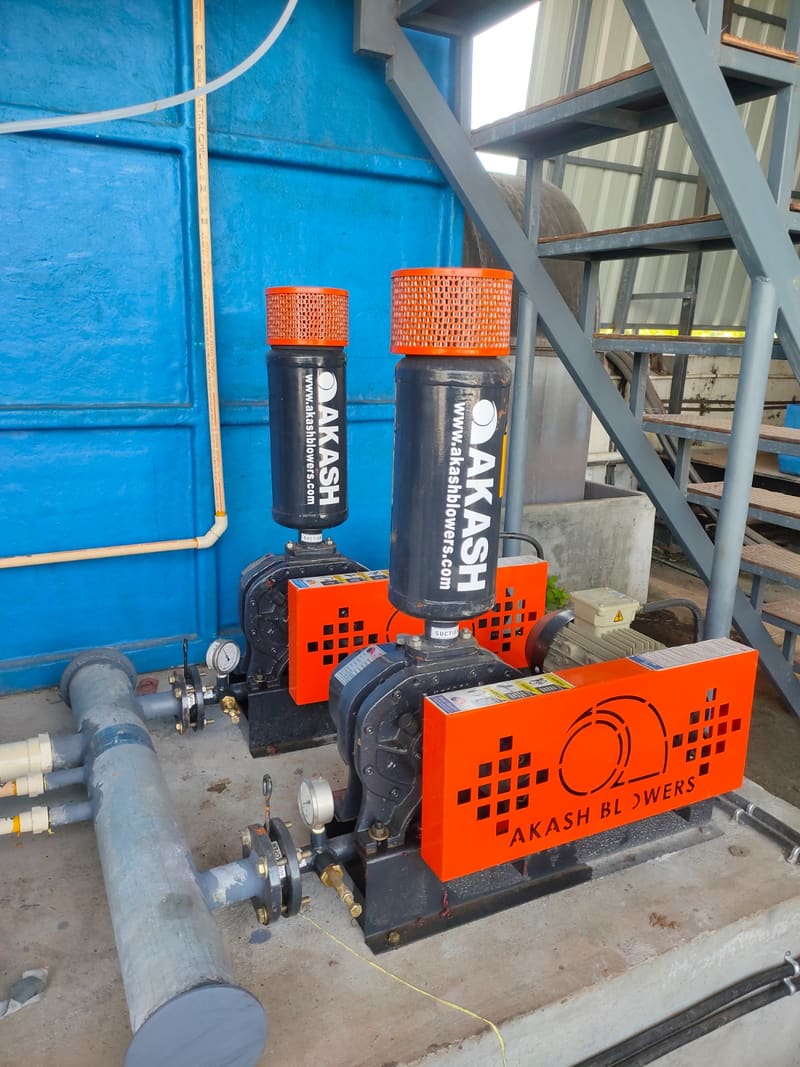
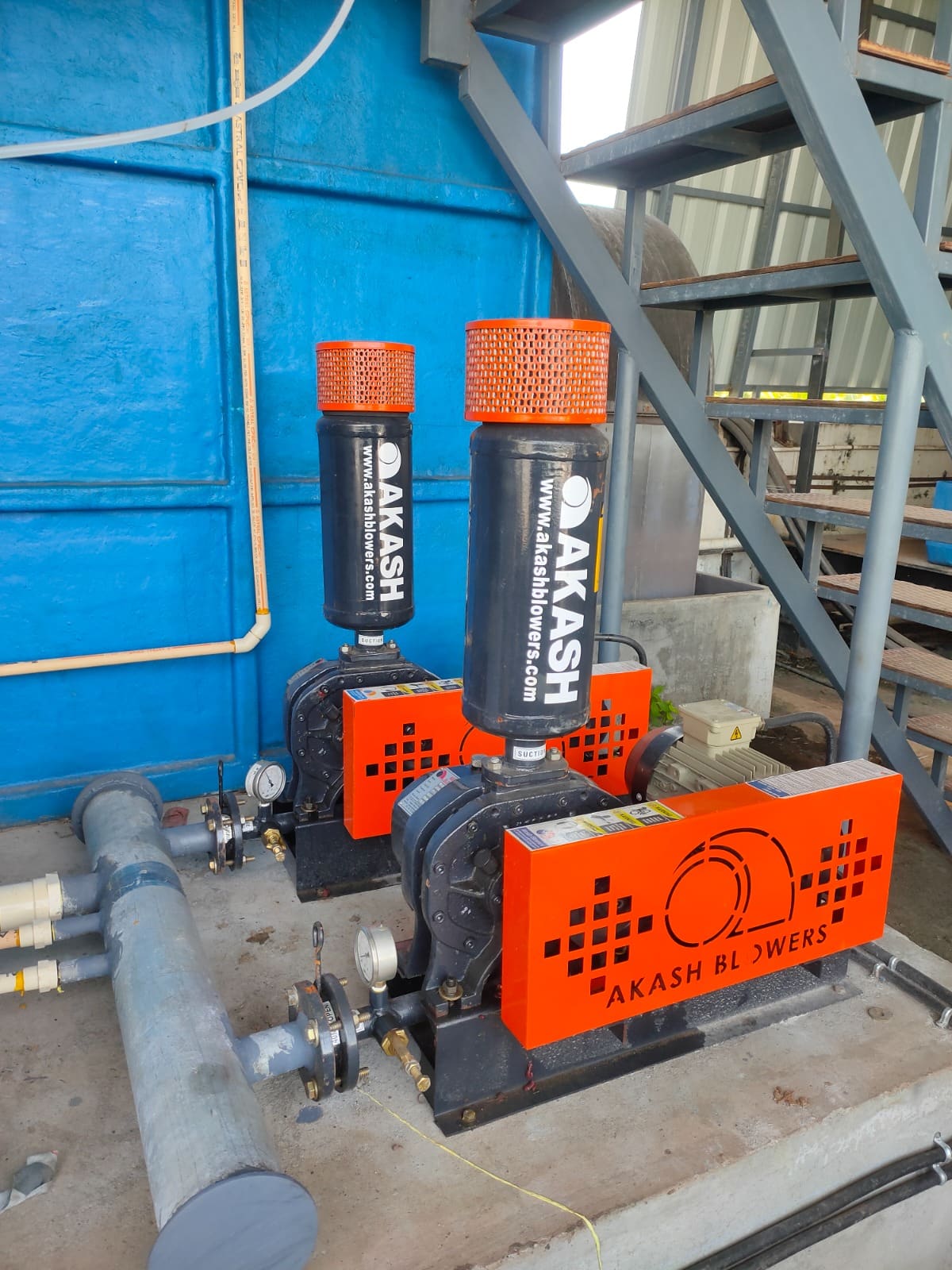
Twin lobe air blower with header for STP
Common Questions
What Standard Does the Treated Water Have to Meet?
The Central and State Pollution Control Boards set the norms. We design each STP to the parameters of your State Pollution Control Board. In Kerala that is the Kerala State Pollution Control Board.
We Have Very Little Space. Can You Still Build an STP?
Usually, yes. We have built plants underground, in basements and on terraces, and at Amana Toyota the STP is on the terrace because there was no room at ground level.
Do You Deal with the Pollution Control Board for Us?
Yes. A turn-key STP project includes the statutory consultancy, the PCB licensing and the liaison with your State Pollution Control Board. Meeting the norms is a statutory responsibility of both the client and the service provider, so we deal with the Board from the start.
Can the Treated Water Be Reused?
Yes. Water within the Board’s limits can be released. With the advanced treatment stage it can be reused for non-potable purposes such as gardening and toilet flushing, where it meets the quality that reuse requires. We also take up recycling work.
What Happens After the First Year?
The first year’s AMC comes with the plant. After that we offer AMCs, maintenance support and consumables. Green Earth, the Group’s laboratory approved by the Kerala State Pollution Control Board, tests the treated water. Futuristic Environ, the Group’s sales unit, supplies spares, chemicals and biological products.
Enquiries
Tell us the type of plant, where it is and what you need.